 FlexFarm
Protect Goats From Disease Without Guessing
Combine observation, quarantine, targeted parasite control and a locally designed vaccination plan.
4 min read · Updated
Protect goats from disease without guessing
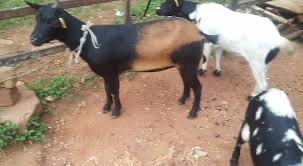
Locally adapted animals still need observation, biosecurity and a farm-specific health plan.
Quick answer
Look at every group daily, isolate animals that may spread disease and keep treatment records. Build vaccination and parasite-control plans with a local veterinarian or livestock officer. Never copy a fixed injection volume or deworming dose: the right amount depends on diagnosis, body weight, product strength, route, age, pregnancy status and the registered label.
Your daily health scan
Watch appetite, cud chewing, gait, breathing, eyes, coat, manure and whether any goat separates from the group. Check kids and pregnant does more often. Record the animal ID, signs, temperature if trained to take it, and when the problem began.
New goats need a pause
Keep new and returning goats separate before mixing. Use separate feeders and equipment, examine them for wounds, diarrhoea, coughing and external parasites, and ask a professional what tests or treatments local risks require. Quarantine length should follow that advice and the disease involved.
Orf: the morning dew is not the cause
Orf is a contagious viral disease that produces crusted sores, commonly around the lips and mouth. It spreads through infected sores and scabs, contaminated equipment and breaks in the skin—not because goats grazed wet grass in the morning. It can also infect people.
Wear gloves when handling suspect animals, isolate them, avoid sharing equipment and seek veterinary guidance. Do not pick scabs. Clean and disinfect appropriately; the virus can persist in the environment.
Ticks and worms: treat the farm in front of you
Inspect goats and housing for ticks. If control is needed, use only a registered product for goats, exactly as labelled, with protective equipment and the correct meat or milk withdrawal period.
For internal parasites, combine grazing management, body-condition checks, anaemia or faecal testing where available, and targeted treatment. Treating every goat every three months regardless of need encourages drug resistance. Weigh animals or use a validated weight tape and confirm the product concentration before dosing.
Get the vaccine names right
Your local plan may include clostridial diseases, contagious caprine pleuropneumonia (CCPP), peste des petits ruminants, foot-and-mouth disease or other locally important diseases. Availability and official campaigns vary.
CBPP means contagious bovine pleuropneumonia and affects cattle. CCPP is the goat disease. Brucellosis vaccination is controlled and must follow the national program and veterinary direction. Keep vaccine name, batch, expiry date, date given and animal group in your records.
Medicine safety rules
- Treat a diagnosis, not a familiar-looking sign.
- Use the registered label and veterinary direction.
- Calculate from weight and product concentration; “2 ml for every goat” is not a safe rule.
- Record dose, route, date, person, reason and withdrawal end date.
- Never keep dexamethasone, antibiotics or combinations as automatic first-aid injections.
- Seek help when several animals are affected, a pregnant animal is ill, or the first treatment fails.
Emergency signs
Call urgently for difficult breathing, severe bloat, repeated collapse, inability to rise, uncontrolled bleeding, nervous signs, difficult birth, sudden deaths or a fast-moving outbreak.
Origin note: this guide retains the report's emphasis on hygiene and prevention while correcting its claims about orf, CBPP and universal medicine schedules.
Sources
- Orf virus in animals · US Centers for Disease Control and Prevention
- Contagious caprine pleuropneumonia · World Organisation for Animal Health
- Contagious bovine pleuropneumonia · World Organisation for Animal Health
- Antiparasitic resistance in grazing livestock · US Food and Drug Administration