 FlexFarm
Turn Goat Records Into Better Sales
Track production and costs, organise reliable supply and add value only where the market and law support it.
4 min read · Updated
Turn goat records into better sales
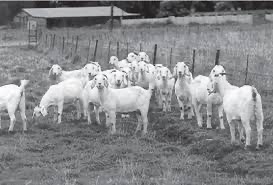
Group records help you connect breeding and health decisions to sale results.
Quick answer
Give every goat a permanent ID and record births, breeding, growth, health, feed, deaths, purchases and sales. Use those numbers to find the animals and buyers that create profit. Build processing, packaging or outgrower schemes only after confirming demand, food-safety rules, permits and a reliable supply.
The minimum useful record
| Record | What to capture | Decision it supports |
|---|---|---|
| Animal identity | ID, sex, breed or cross, source, birth date | Traceability and selection |
| Breeding | sire, dam, mating, pregnancy and kidding dates | Fertility and avoiding inbreeding |
| Kids | litter size, birth outcome, survival and weaning weight | Doe and buck performance |
| Health | signs, diagnosis, medicine, dose, withdrawal and outcome | Prevention and responsible treatment |
| Feed | type, quantity, dates and cost | Dry-season planning and margins |
| Sale | animal, weight, buyer, price and transport cost | Best market and sale timing |
Use the same weighing method each time. If scales are unavailable, use a locally validated weight tape consistently and mark estimates as estimates.
Calculate real margin
Income = animals and products sold
Variable costs = purchased feed + medicine + transport + market fees + hired labour
Gross margin = income − variable costs
Then consider housing, breeding stock, equipment, deaths and unpaid family labour before calling the project profitable.
Build a market channel step by step
- Compare at least three regular buyers on price, reliability and payment time.
- Agree on how animals will be weighed and graded.
- Plan sales so goats reach the requested condition without emergency feeding.
- Group transport and marketing with trusted farmers where it lowers cost.
- Use a written agreement for outgrowers: quality, health records, price method, delivery and rejection rules.
Processing meat can add value, but slaughter, inspection, hygiene, packaging, cold storage, branding and transport must meet Tanzanian requirements. Confirm approvals with the relevant local authority before investing in a slaughter point or labelled meat product.
Review every quarter
Which does weaned the most healthy kid weight? Which buck's offspring performed best? What caused deaths? Which buyer paid on time? Which month had the highest feed cost? Sell or stop breeding consistently poor performers, while checking that management—not unfair grouping—caused the difference.
Avoid these traps
- Selecting only by appearance.
- Recording births but not survival and weaning.
- Treating sales revenue as profit.
- Depending on one buyer without written terms.
- Promising regular supply that the farm and outgrowers cannot sustain.
- Building processing facilities before permits, hygiene systems and cold-chain costs are known.
Origin note: the submitted report's administration and marketing proposals were converted into a staged plan that farmers can test before committing capital.
Sources
- Goat breeding and kid management · Food and Agriculture Organization of the United Nations