 FlexFarm
Build Goat Housing That Protects Kids
Use dry, ventilated and uncrowded housing with space for kidding, young, sick and quarantined goats.
4 min read · Updated
Build goat housing that protects kids
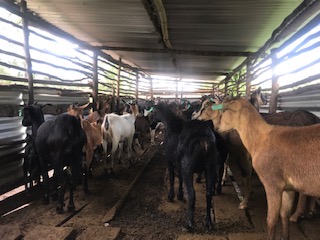
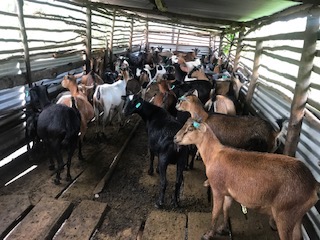
This pen has a useful raised floor and roof, but capacity must be checked before the herd grows.
Quick answer
Keep goats dry, well ventilated and protected from wind without crowding them. Provide separate spaces for kidding does, young kids, sick goats and animals in quarantine. Expand the house before pregnancies and purchases increase numbers—not after overcrowding begins.
Walk through the house today
Ask:
- Does rain enter the sleeping area?
- Can air move above the goats without a cold draught at kid level?
- Is the floor dry, non-slip and easy to clean?
- Can every goat lie down and reach feed and water without fighting?
- Are nails, wire, sharp timber and gaps that trap legs removed?
- Can you isolate a sick goat without sharing feeders?
Plan useful sections
| Area | Why it matters |
|---|---|
| Main group pen | Reduces crowding and competition |
| Kidding pen | Gives a doe and newborns a clean, quiet space |
| Kid area | Keeps young animals warm, dry and easy to observe |
| Sick pen | Limits contact while help is arranged |
| Quarantine pen | Keeps new or returning goats away from the herd |
| Feed store | Protects feed from rain, mould, rodents and manure |
Partitions should be strong, visible and easy to clean. Ask a local livestock officer to calculate space for your goat size, housing system and climate rather than using one universal number.
The first hours of a kid's life
- Make sure the kid is breathing and the nose and mouth are clear.
- Dry and warm a chilled or wet kid.
- Confirm it stands and receives adequate colostrum promptly.
- Check the doe's udder and teats and watch the kid actually suckle.
- Record the doe, kid, birth date, sex and any difficulty.
- Keep the pair in a clean area and observe them repeatedly.
Do not give routine antibiotics, iron, vitamins or other injections from a generic timetable. A veterinarian should decide whether a medicine is needed, select the product and calculate the dose from the animal and label.
Clean without creating new risks
Remove manure and wet bedding regularly, scrub contaminated feeders and waterers, and keep clean equipment separate from the sick pen. Cleaning reduces exposure to many germs, but it does not by itself prevent every disease.
Call for help urgently when
A kid is cold, weak, cannot stand or suckle, breathes with difficulty, has persistent or bloody diarrhoea, a swollen painful navel, or several kids become ill together. A doe straining without progress also needs urgent assistance.
Origin note: the housing assessment and photographs came from the submitted field report. Newborn-care recommendations were checked against FAO guidance and deliberately exclude the report's universal injection schedule.
Sources
- Housing of sheep and goats · Food and Agriculture Organization of the United Nations
- Management practices to reduce kid mortality · Food and Agriculture Organization of the United Nations